
What’s All the Poop About?
Savannah’s charm isn’t just in its historic streets, it’s in the sparkling creeks and rivers that weave through our community. These waters are where we fish, swim, and connect with nature. But there’s a hidden problem threatening their health: bacteria pollution. Surprisingly, one source is closer to home than we think: our beloved pets. When pet waste is left on the ground, rain washes harmful bacteria into our waterways, impacting water quality and wildlife. It may feel like a small thing, but picking up after our furry friends is a big step toward protecting the places we love. Together, we can make a difference—starting with one simple action.
The Problem: Poop Doesn’t Stay Put.
When it rains, it drains and stormwater isn’t treated. Every drop of rain picks up what’s on the ground, including pet waste, and sends it straight to stormdrains, ditches, and eventually our creeks and rivers. That means every backyard, every ditch, every stormdrain matters. Just one gram of pet waste can carry over 20 million bacteria, plus viruses and parasites. Multiply that by the number of pets in Savannah, and you can see the problem. These waters aren’t just scenic. They’re where families fish, swim, and cool off in summer. They’re home to wildlife that depends on clean water to survive. Protecting them starts with us. Pick it up. Trash it. Every time. Everywhere. It’s a simple act that prevents pollution before it happens and keeps Savannah’s waterways safe for everyone.
FAQ
Pet poop isn’t just unpleasant—it’s raw sewage. Like human waste, it contains pathogens such as bacteria, viruses, and parasites that can make pets, people, and wildlife sick. Some of these pathogens can survive for years in your yard or the environment.
Nope! Domestic pets—including dogs and cats (especially feral cats)—collectively contribute to the problem. When pet waste is left on the ground, rain washes it into ditches, storm drains, and canals, which all connect to our creeks and rivers. This raises bacteria levels, harms water quality, and endangers wildlife.
Population growth! More people means more pets, and more pets mean more poop. Pet waste is raw sewage and can spread disease just like human waste.
Wild animals do leave waste outdoors, but their diets are natural, and their waste is part of the ecosystem’s nutrient cycle. Domestic pets eat commercial foods loaded in proteins and nutrients not native to the environment, which disrupts ecosystems.
Not safely. While poop may appear to break down, pathogens and parasites remain in the soil and wash into waterways when it rains. Pet poop must be treated like the health hazard it is.
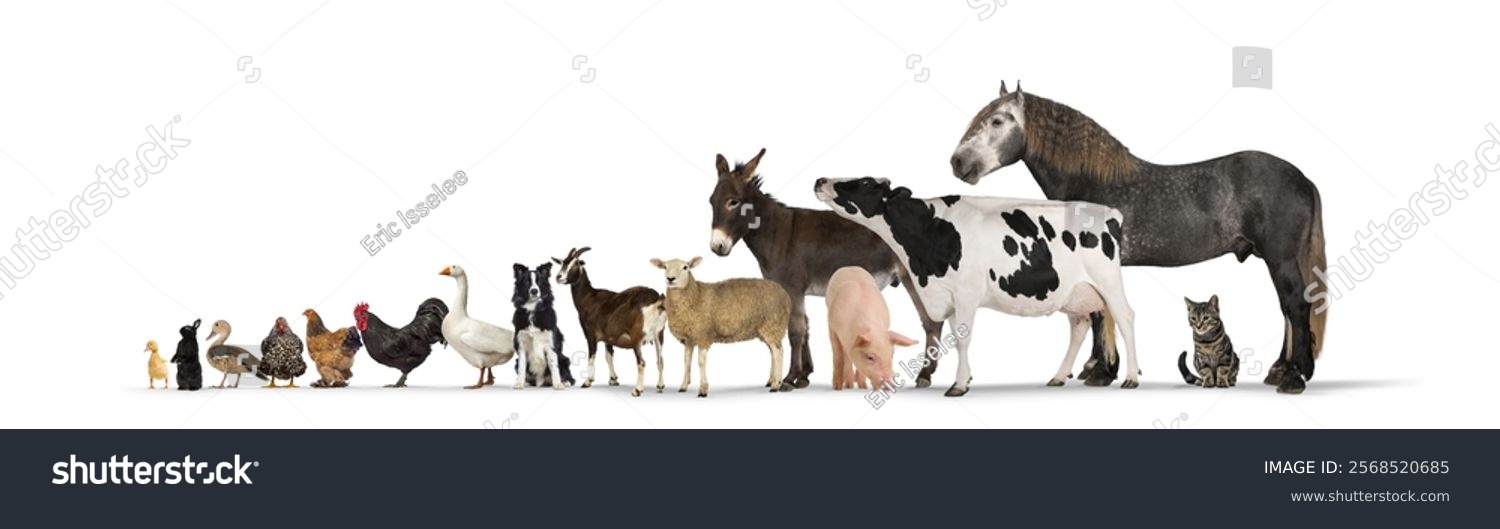
Dogs, cats, goats, pot-bellied pigs, chickens—if your pet poops outside, you need to pick it up and dispose of it responsibly. Every little bit counts!
People and pets who wade or swim in poop-polluted water or eat shellfish harvested from it are at the greatest risk of getting sick. Plus, the nutrients in pet poop can cause weed and algae growth in creeks and rivers, which can reduce the oxygen that fish and other aquatic life need to survive.
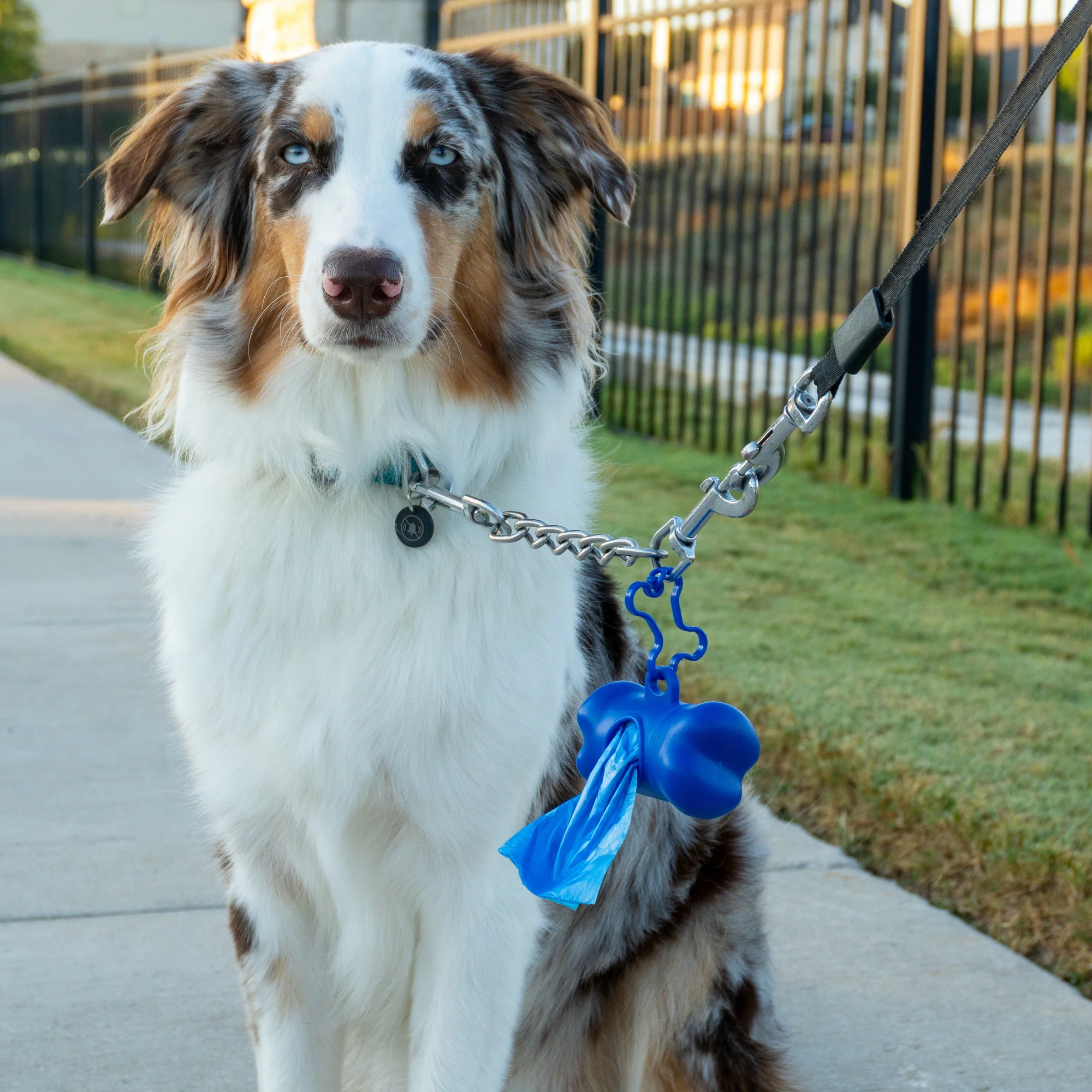
Pick it up and trash it! Bag the waste and toss it in the garbage. Landfills are designed to protect groundwater from pollution.
Yes, if you’re on a municipal sewer system (most Savannah homes are). Flush pet waste by itself—no plastic bags. If you live near a waterway and have a septic system, flushing is not recommended.
No. Composting or burying does not kill pathogens and can still pollute water. Most experts strongly advise against composting pet waste at home.
Yes. While plastic isn’t ideal, it’s currently the safest and easiest option. Use bags made from recycled plastic or reuse grocery/produce bags.
Biodegradable bags break down and are a great option but still need to be put in the trash because poop and pathogens remain. Never leave bagged waste on trails or in nature.
Please don’t. Most bags left behind are never retrieved. Use a bag carrier or a hard-sided container in your backpack for hands-free transport.
The Solution: Pick It Up. Trash It. Every Time. Everywhere.
Keeping Savannah’s water, people, pets, and wildlife safe from pet waste pollution is simple: Pick it up. Trash it. Every time. Everywhere. Bagging and trashing pet waste is the most effective disposal method. The bag protects everyone from harmful pathogens, and landfills safely contain pollutants.
At home
-
- Pick up pet waste from your yard at least once a day, especially before it rains. Twice a day is even better!
- Make it part of your routine—get outside, breathe fresh air, listen to the birds, and spend time with your pet. It’s good for you too!
On Walks
-
- Pick it up every time and carry it to the trash.
- Plan Ahead: Keep extra bags and a flashlight on your leash.
- Stay Alert: Watch closely when dogs are off-leash in fenced areas. Savannah has a leash law, but distractions happen—don’t let them!
Remember, It Matters
Pet waste is a pollutant that impairs Savannah’s creeks and rivers. It contains bacteria, viruses, and parasites that can make people and wildlife sick. As waste decomposes in water, it releases nitrogen and phosphorus, fueling algal blooms that deplete oxygen and harm aquatic life.
Together, We Can Restore Savannah’s Waters
As pet parents, we receive so much love and joy from our furry companions. Let’s share that love with our environment and community by keeping our yards clean and our waterways healthy.
Pick it up. Trash it. Every time. Everywhere.
Many people already place their pet waste in the trash because it is convenient. If you are already placing it in the trash, thank you and keep up the good work!
